Curb Painting
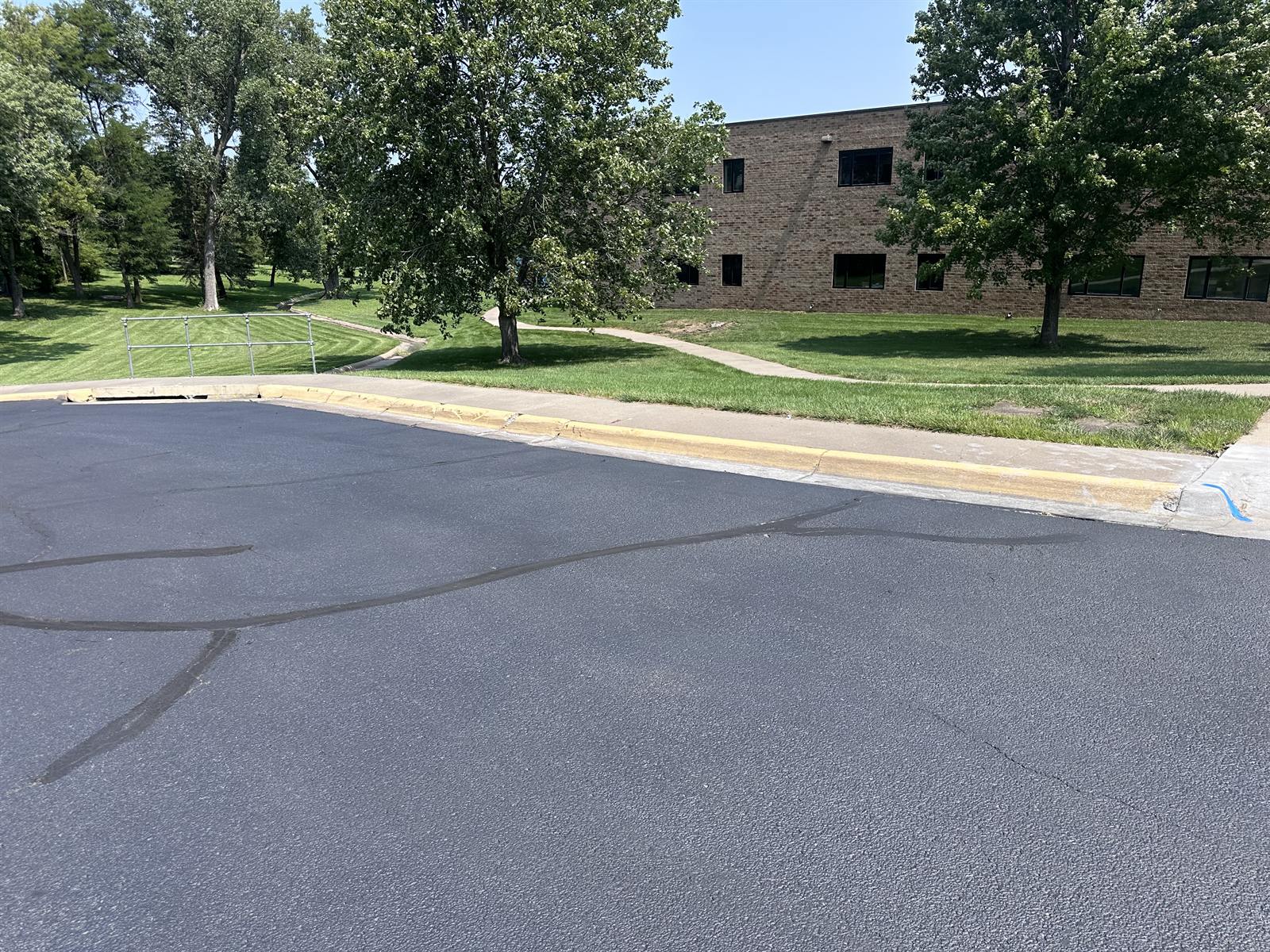
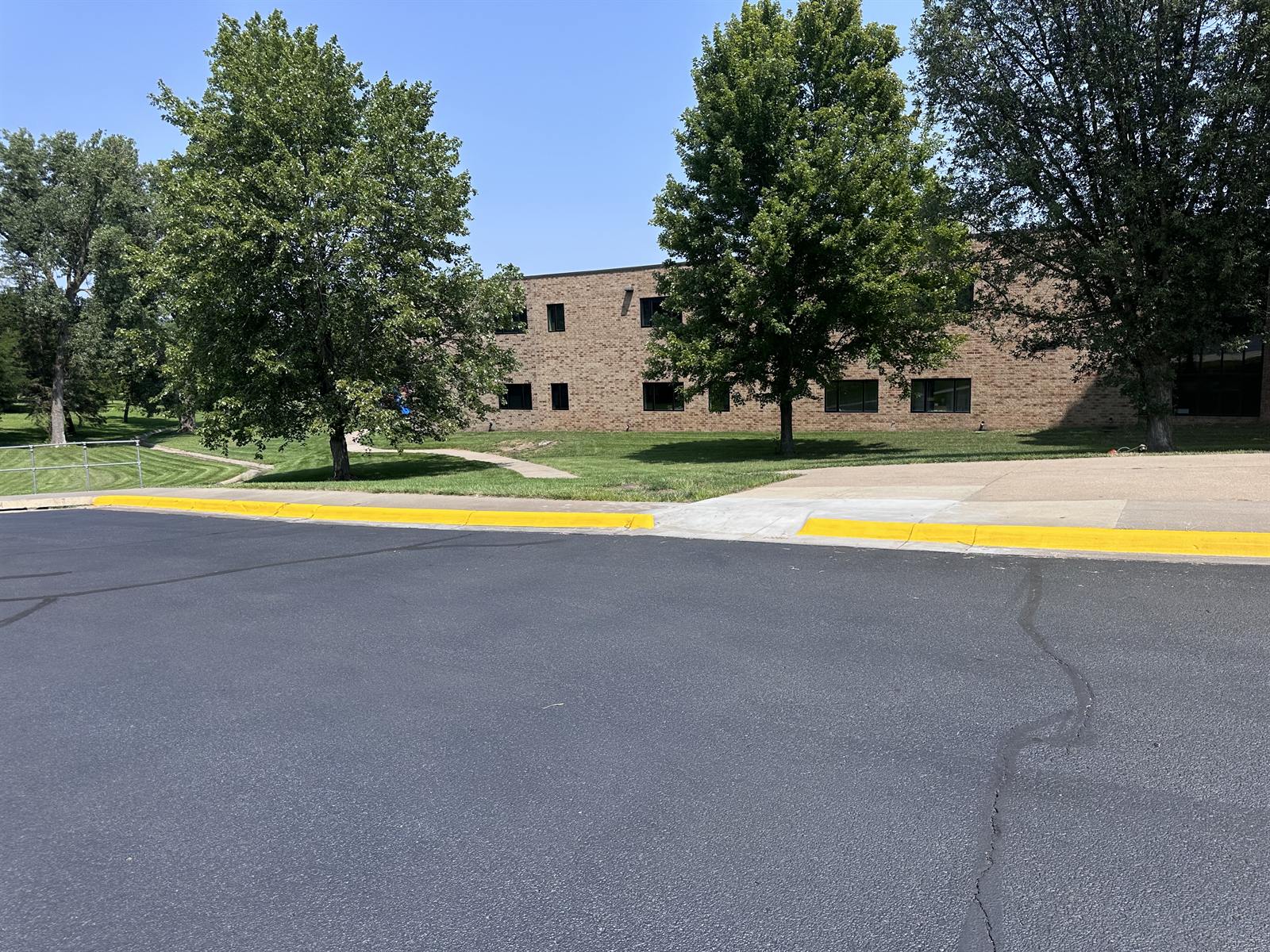
A painted curb tells a driver what to do before they've even parked — no sign to read, no guessing. It's one of the cheapest, highest-impact things on a lot, and one of the first to show wear because it takes the brunt of every bumper and tire that gets close.
Prepping a Surface That Takes Real Abuse
Curbs wear differently than flat pavement lines. They get struck by tires, scuffed by bumpers, and take direct sun on a vertical face — so the prep work matters more here than almost anywhere else on the lot.
- Confirm the zone plan. We work out which curbs need which color — no-parking, loading, accessible, fire lane — based on the property's existing plan or current local requirements.
- Scrape and clean. Old, peeling paint, tire rubber transfer, and oil residue are scraped and pressure-washed off first — painting over rubber scuffing is what makes a curb job peel again within months.
- Flag concrete damage. Chipped, spalled, or crumbling curb sections are noted before painting — paint can't fix broken concrete, and painting over damage just hides a problem that keeps getting worse.
- Mask the adjoining pavement. Clean, straight edges where the curb meets the drive lane or landscaping keep the job looking sharp instead of sloppy.
- Apply durable, exterior-grade curb paint. Curb faces get a heavier-duty paint than flat-surface lines, since they face direct vehicle contact and full weather exposure rather than mostly rolling tire traffic.
What Curb Colors Typically Mean
Exact meanings and requirements vary by city and property, but these are the common conventions we work from as a starting point:
We'll confirm the right colors and wording for your property against current local requirements before painting — this table is a general reference, not a substitute for that check.
Why It Matters
A curb is read in a split second from a moving vehicle — it either communicates instantly, or it doesn't communicate at all.
Instant, Wordless Instruction
A driver reads curb color before they read a sign, if there even is one — it's the fastest way to communicate a rule at the exact moment someone needs it.
Enforceable Zones
Loading zones, no-parking areas, and drop-off spots are much harder to enforce consistently when the curb itself gives no visual cue that a rule applies there.
Edge Visibility
A well-marked curb is also just easier to see — for a driver judging distance and for a pedestrian stepping up or down, especially in low light or glare.
High-Impact, Low-Cost Refresh
Curbs run along the entire visible perimeter of a lot, so repainting them is one of the most noticeable improvements a property can make for a relatively small job.
Protects Other Compliance Work
Fire lanes and accessible aisles depend on their curb color staying legible — a general curb refresh is often what catches those before they've faded past the point of being enforceable.
Traffic & Loading Flow
Clearly marked loading and no-parking curbs keep delivery vehicles, drop-offs, and through-traffic from competing for the same few feet of curb space.
When Curbs Need Repainting
Because curbs take direct physical contact, they usually show wear well before the flat-pavement lines nearby do.
Tire Scuffs and Chipping
Black rubber transfer and chipped paint from repeated contact are the most common reason a curb needs attention long before a scheduled re-stripe.
Color Has Faded to Ambiguous
Once yellow fades toward gray or white toward bare concrete, the curb stops communicating its zone at all — the exact opposite of the job it's there to do.
A Zone Is Changing
Adding a loading area, a pickup zone, or reassigning a stretch of curb calls for a new color and fresh paint, not a patch job over the old one.
After Curb Repair
Newly patched or replaced concrete curb sections need their own coat to match the rest of the run — bare or repaired concrete won't hold the same color evenly as weathered paint nearby.
Give Your Curbs Their Color Back.
Free, no-obligation quote for curb painting, zone changes, or a full-property refresh.