Fire Lane Painting
A fire lane only does its job if it's obvious at a glance, day or night, to someone who's never been on the property before — including the driver of a fire apparatus in an emergency. That's a different bar than a parking stall line.
Marking a Lane Emergency Crews Can Trust
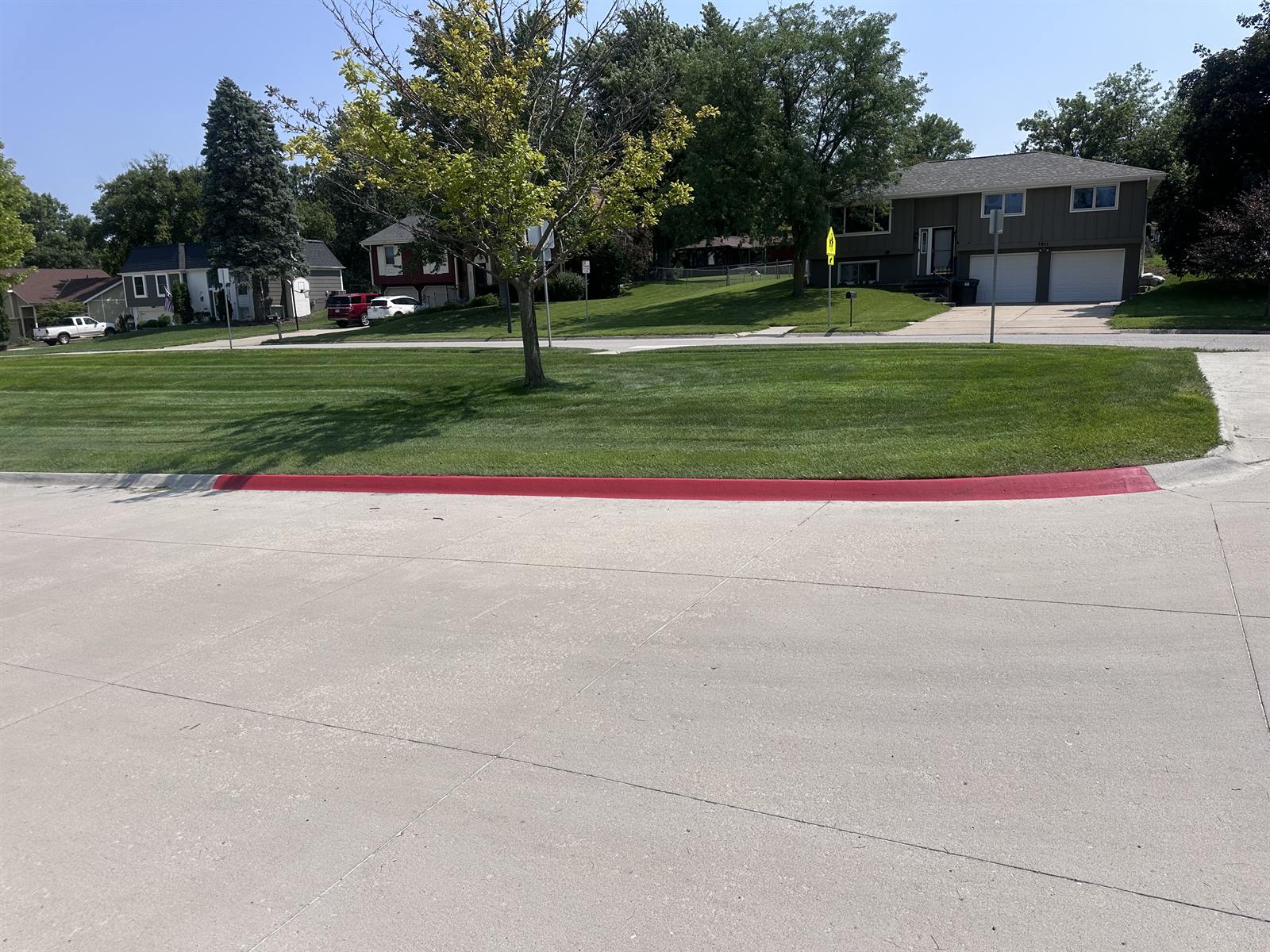
Fire lane markings exist to communicate one thing instantly: this lane must stay clear. Getting that across reliably takes more than a coat of red paint.
- Confirm the required lane. We work from the property's approved fire access plan where one exists, or verify the lane against local fire marshal requirements — width, location, and any curb or striping treatment specified.
- Check clearance. Fire apparatus access lanes have a minimum required width, kept clear of any obstruction that could narrow it, including landscaping, signage, or parked vehicles encroaching on the line.
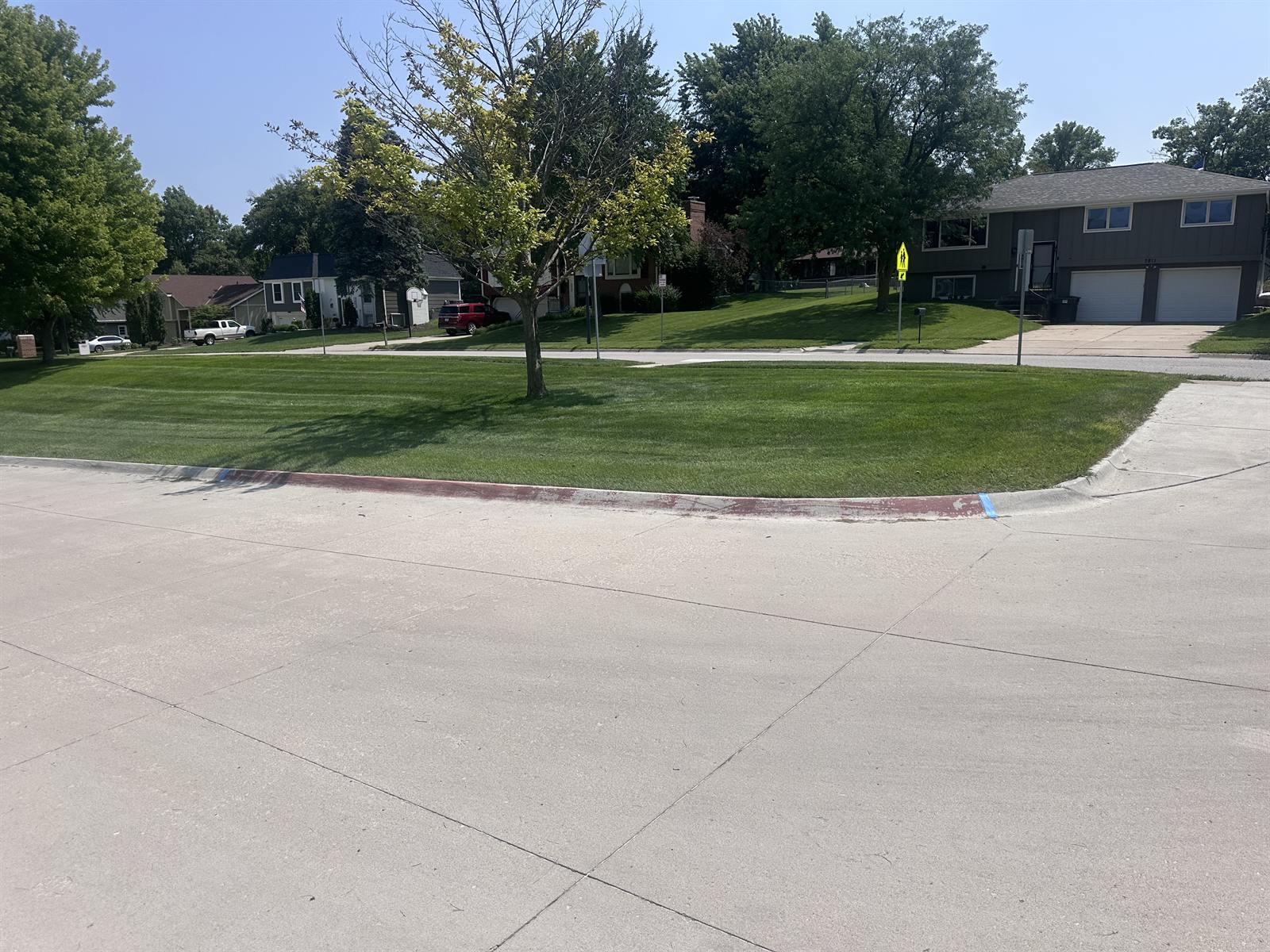
- Paint the curb or lane edge red. Curb faces or lane boundaries are painted in high-visibility red, with masking to keep the line crisp against the surrounding asphalt or concrete.
- Stencil the lettering. "FIRE LANE — NO PARKING" (or the local equivalent wording) is stenciled in white or contrasting lettering, sized and spaced at repeating intervals along the full length of the lane so it's readable from a vehicle, not just on foot.
- Note anything out of spec. If a lane is too narrow, blocked, or missing required markings entirely, we flag it — a repaint can't fix an access problem that needs a site or layout change.
Why It Matters
A fire lane is one of the few striping details where the worst-case failure isn't a fender-bender or an ugly lot — it's minutes added to an emergency response.
Emergency Access
A clear, obvious fire lane is what lets an apparatus reach a building without maneuvering around parked cars or guessing where it's allowed to stop.
Fire Code Enforcement
Local fire marshals inspect and cite for unmarked, faded, or blocked fire lanes — this is one of the more actively enforced items on a commercial property inspection.
Legal & Insurance Exposure
An obstructed or unmarked fire lane found responsible for a delayed response is exactly the kind of finding that turns an incident into a liability claim against the property.
Enforceable Towing
Clear red paint and legible lettering are usually what's required before a vehicle blocking the lane can actually be cited or towed — without it, enforcement has nothing to point to.
Consistency at Night
Reflective-grade red paint and full-length lettering keep the lane legible after dark, when a faded or partial marking is easiest to miss or mistake for open parking.
Certificate of Occupancy
New buildings and tenant build-outs commonly can't get a final occupancy sign-off until the required fire lane is marked and verified against the approved site plan.
When to Repaint or Add a Fire Lane
Fire lanes tend to fade quietly since they're driven over less often than a parking stall — that makes it easy to miss the point where the marking stops doing its job.
The Red Has Faded or the Lettering Is Illegible
Sun-bleached curb paint or lettering that's worn to a ghost outline no longer reads clearly to a driver — including one responding to an emergency at speed.
A Fire Inspection Flagged It
A failed or conditional fire inspection citing faded, missing, or non-compliant lane markings is the most direct trigger — and usually comes with a re-inspection deadline.
New Construction or a Site Change
A new building, added drive aisle, or reconfigured entrance often requires a fire lane to be marked for the first time before final approval.
Vehicles Keep Parking in the Lane
If drivers are routinely stopping or parking in a marked lane anyway, faded or low-contrast paint is often the reason the marking isn't registering.
Keep Your Fire Lane Clear, Legible, and Code-Compliant.
Free, no-obligation quote for fire lane painting, re-lettering, or a first-time fire lane install.