Parking Lot Re-Striping
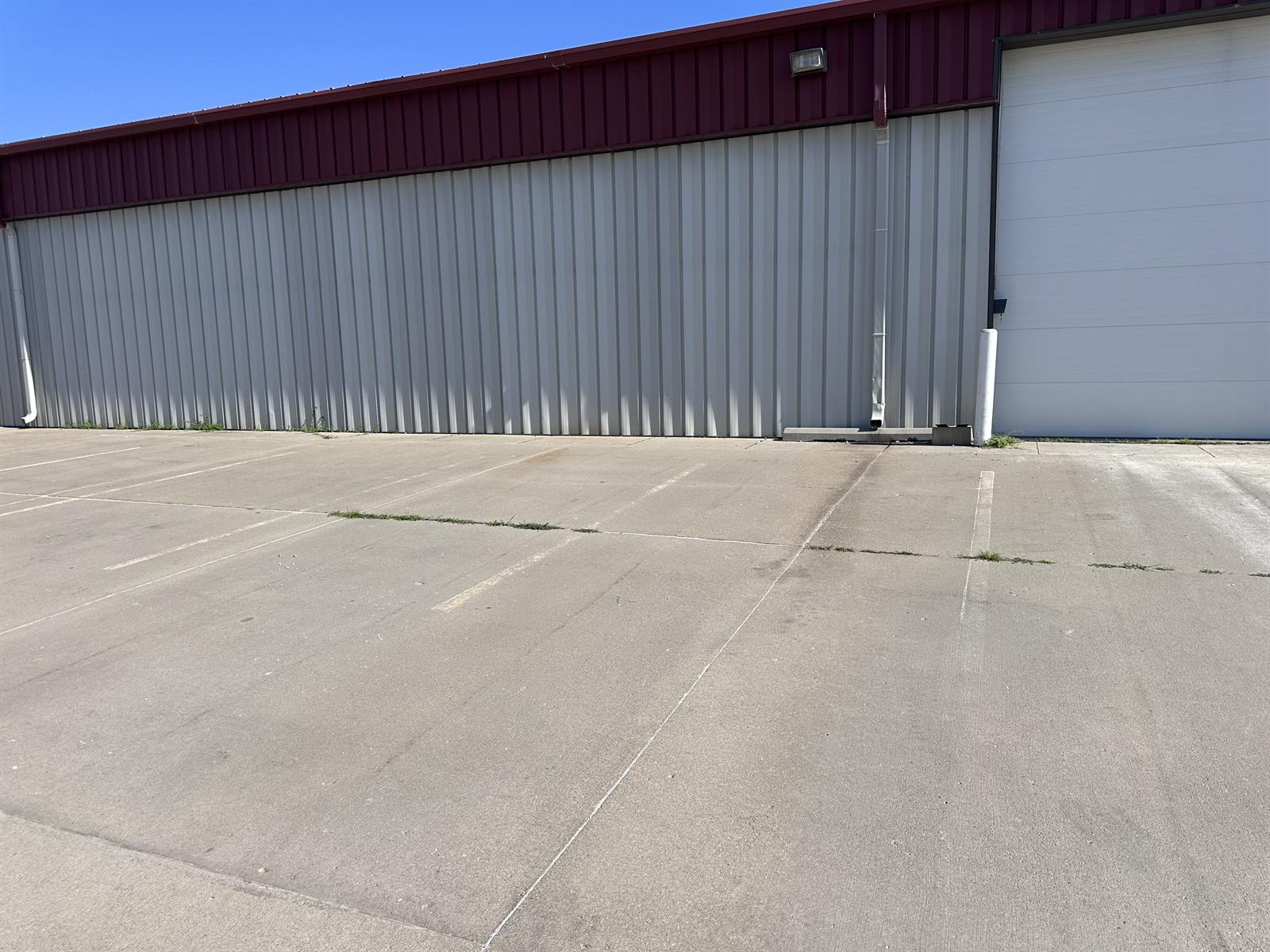
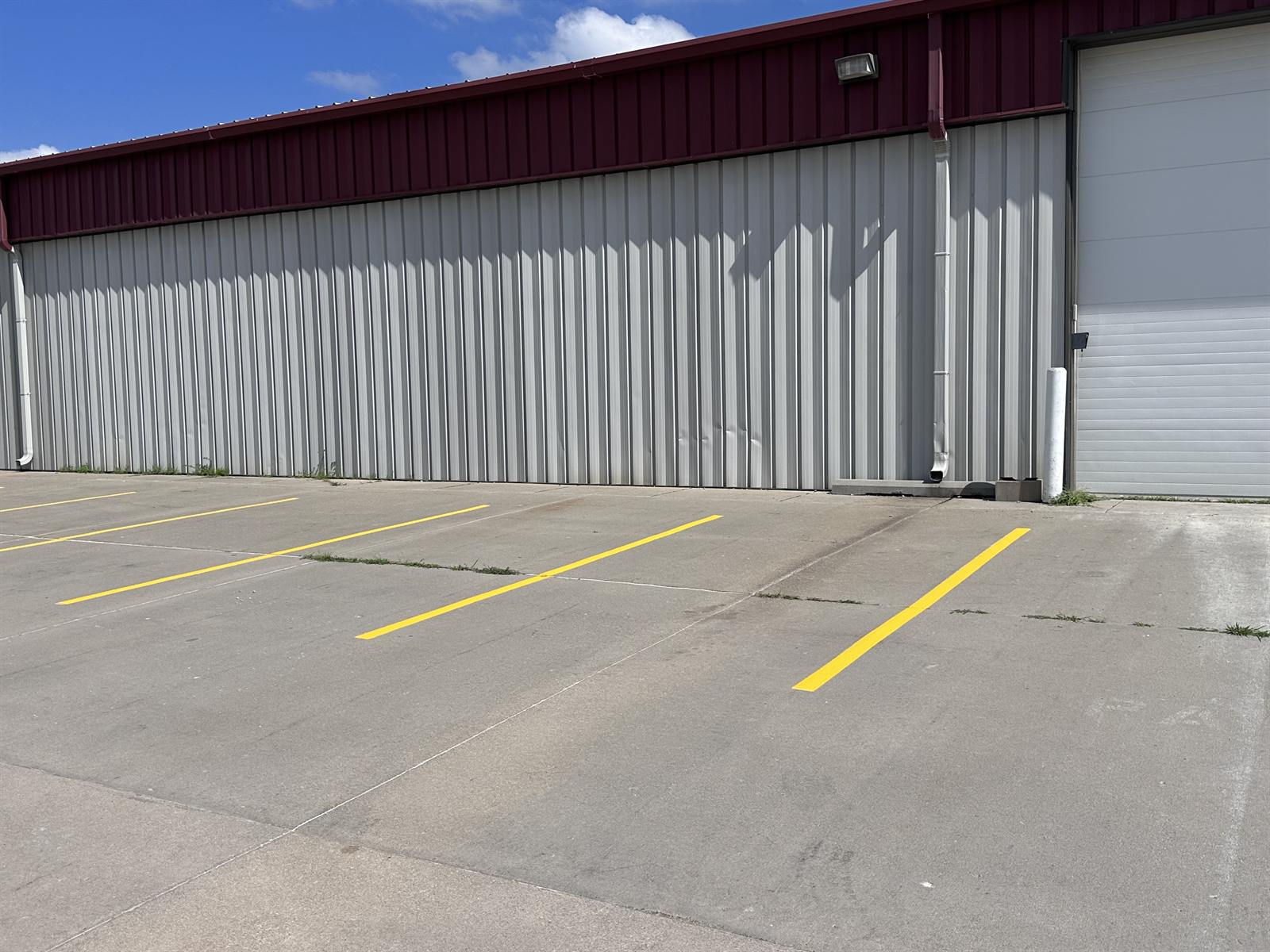
Your asphalt is sound and your layout already works — the paint is just gone. Re-striping repaints the stalls, lanes, and markings you already have back to full strength, without the cost or downtime of a redesign.
Repainting What's Already There
Re-striping is a restoration job, not a redesign. In most cases the existing stall count, aisle widths, and traffic pattern already work for the property, so the goal is to bring the markings back to full, code-legible visibility with minimal disruption to the lot.
- Layout walk-through. We measure and photograph the existing lines while they're still visible enough to trace, so the repaint lands exactly where the current layout is.
- Surface prep. The lot is swept and blown clear of dirt, gravel, and debris, and any oil or fluid spots are treated so new paint bonds instead of lifting within a season.
- Layout snap or chalk. Lines are re-marked from the walk-through measurements — matching the original layout unless you've asked us to widen a stall, add an aisle, or make another small adjustment along the way.
- Paint application. High-durability traffic paint is applied in a single, full-coverage pass over old, faded lines — no grinding or stripe removal needed first in the great majority of cases.
- Cure and reopen. Paint sets to foot traffic and vehicle traffic within a set window, and we section off fresh lines with cones or tape until they're safe to drive over.
Why Re-Striping Matters
Once lines fade past a certain point, the lot stops doing the job it was designed for. That shows up as more than just an appearance problem.
Liability Exposure
Unclear stall lines and drive lanes are a documented factor in parking lot fender-benders and pedestrian close calls — exactly the kind of claim a property owner doesn't want tied back to neglected maintenance.
Traffic Flow
Ghosted lines mean drivers guess at where lanes and stalls actually are. That guessing is what causes the diagonal-park-across-two-spaces problem and cars stacking up at unclear entrances.
Cost vs. a Rebuild
Sound asphalt with worn paint is a paint problem, not an asphalt problem. Re-striping restores the lot for a fraction of what a mill-and-overlay or full reconstruction would cost.
First Impression
A lot with sharp, high-contrast lines reads as a well-run property before a customer ever reaches the door. A washed-out lot reads the opposite way, regardless of what's inside.
Insurance & Lease Terms
Commercial leases and general liability policies commonly require marked, code-legible parking. Faded striping can put a property out of compliance without the owner realizing it.
Protects Compliance Markings
Accessible stalls and fire lanes lose their legal standing when the paint that defines them fades out — re-striping is what keeps those markings enforceable, not just visible.
Signs Your Lot Needs Re-Striping
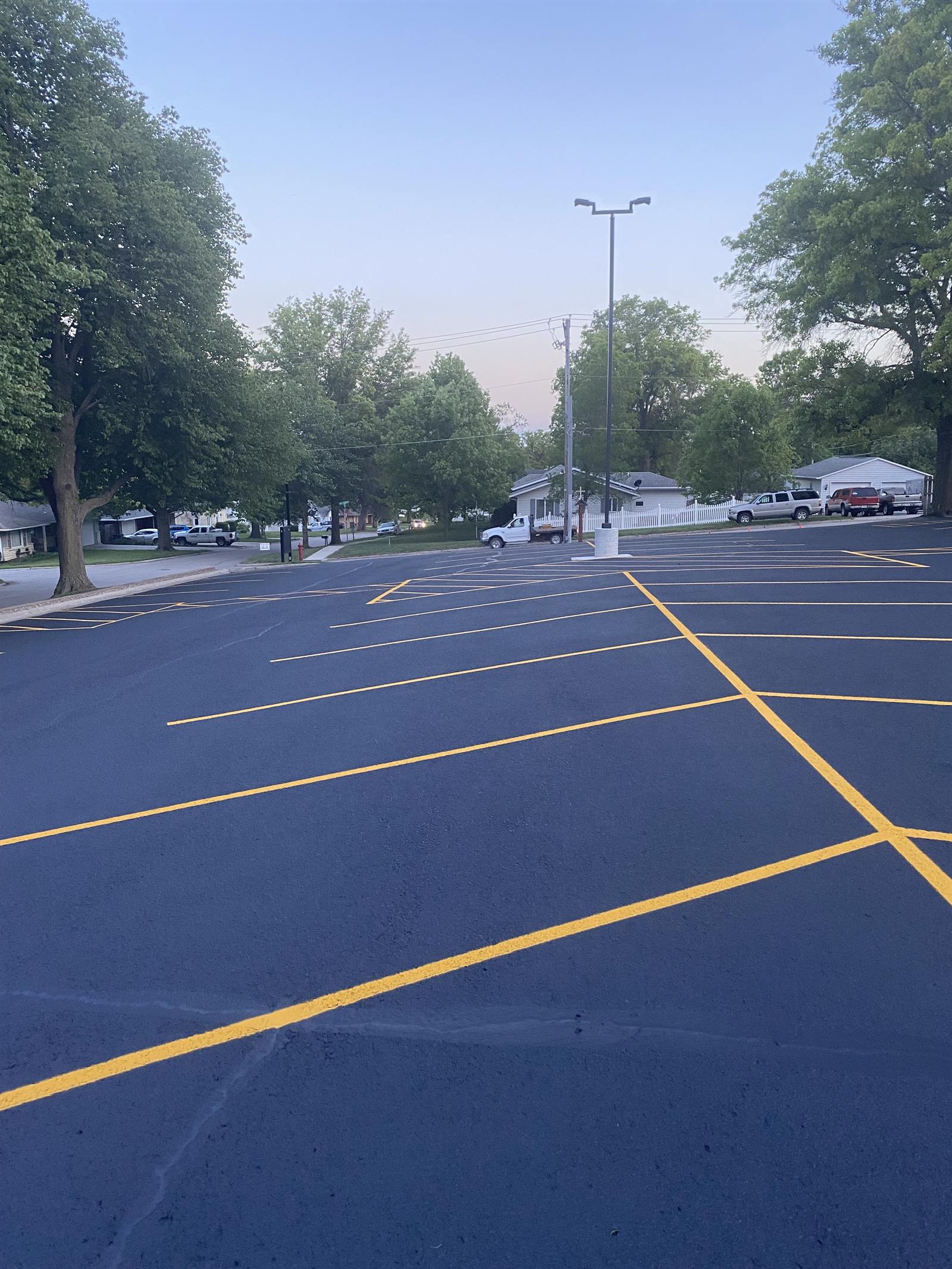
There's no single fixed schedule — traffic volume, paint quality, and Las Cruces' intense high-desert sun all wear lines down at different rates. Watch for:
High-traffic retail, grocery, and restaurant lots typically need attention closer to the 12–18 month mark; lower-traffic office, church, and storage-facility lots can often stretch to 2–4 years. A sealcoat job always resets the clock, since it blacks out the lot completely.
Not the Same as a New Layout
Re-striping and a new layout solve different problems — knowing which one you need saves time on the site visit.
Choose Re-Striping If:
Your asphalt and current layout both still work — you just need the existing stalls, lanes, and markings brought back to full visibility.
Choose a New Layout If:
You have brand-new or freshly overlaid asphalt with no markings yet, or you want to redesign the flow to add stalls, fix a bottleneck, or reconfigure traffic. See New Layout Striping.
Faded Lines? Let's Get Them Back to Full Visibility.
Free, no-obligation quote for your re-stripe — most jobs are scheduled around your business hours.